
Dear Earth,
The wildfires in Los Angeles have become a pressing concern, drawing attention to the complex interplay between climate change and natural vegetation. While climate change undeniably exacerbates the conditions that lead to these devastating fires—such as prolonged droughts, higher temperatures, and erratic weather patterns—the primary culprits behind the flames are the chaparral plants that dominate the region. These hardy, drought-resistant shrubs are well-adapted to the Mediterranean climate of Southern California, but they also possess a high oil content, making them particularly flammable. When conditions are dry and hot, these plants can ignite easily, leading to rapid fire spread.
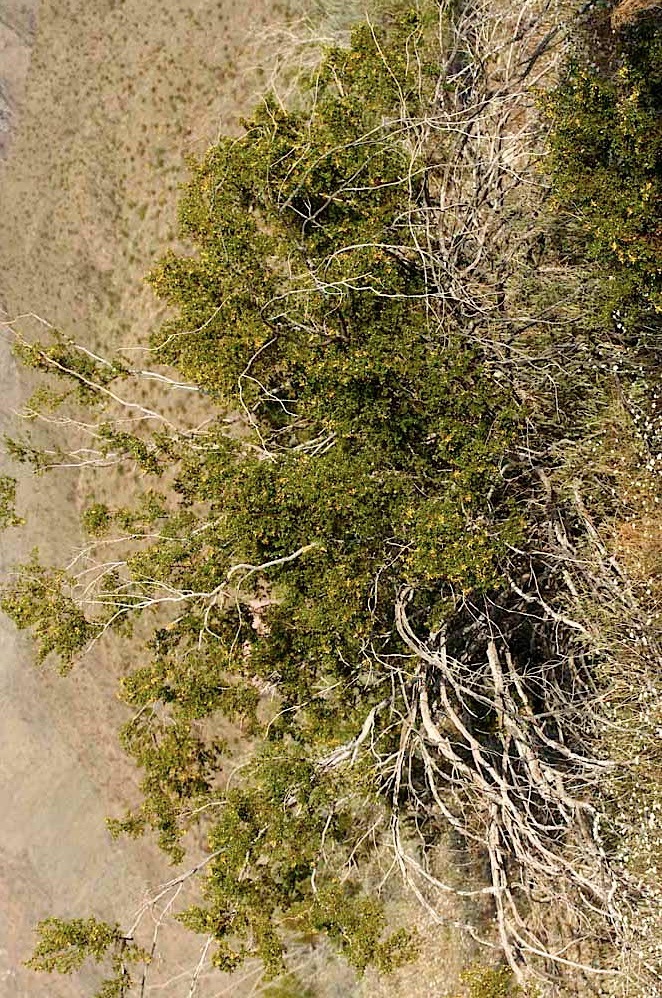
In addition to the inherent flammability of chaparral, the changing climate has created an environment where these fires can thrive. The increasing frequency and intensity of heatwaves, coupled with reduced rainfall, have created a perfect storm for wildfires. As the climate continues to warm, the window for fire season expands, allowing for more extended periods of vulnerability. This means that even areas that may have previously been safe from wildfires are now at risk, as the chaparral plants become more susceptible to ignition during these extreme weather events.
Moreover, the impact of human activity cannot be overlooked in this equation. Urban development encroaches on natural landscapes, increasing the likelihood of human-caused ignitions. As more people move into fire-prone areas, the potential for accidental fires rises, further complicating the already challenging situation. The combination of climate change, the natural characteristics of chaparral, and human influence creates a multifaceted problem that requires comprehensive strategies for fire management and prevention. Addressing these issues is crucial for protecting both the environment and the communities that lie in the path of these relentless fires.
Peace. Love. Earth.,
Jessica Ngok 🌎
 Letters To Earth