
Dear Earth,
When I first started volunteering at the Encinal sand dunes in Alameda four years ago, I didn’t fully understand how much impact a handful of dedicated people, and a lot of patient weed-pulling, could have on a fragile ecosystem. Back then, the dunes looked tired. Ice plant sprawled across the sand like a heavy blanket, choking out the native species that once thrived here. Even walking the site felt like stepping into a long-forgotten corner of the Bay.

But over time, I’ve seen something incredible happen: the dunes have begun to breathe again.
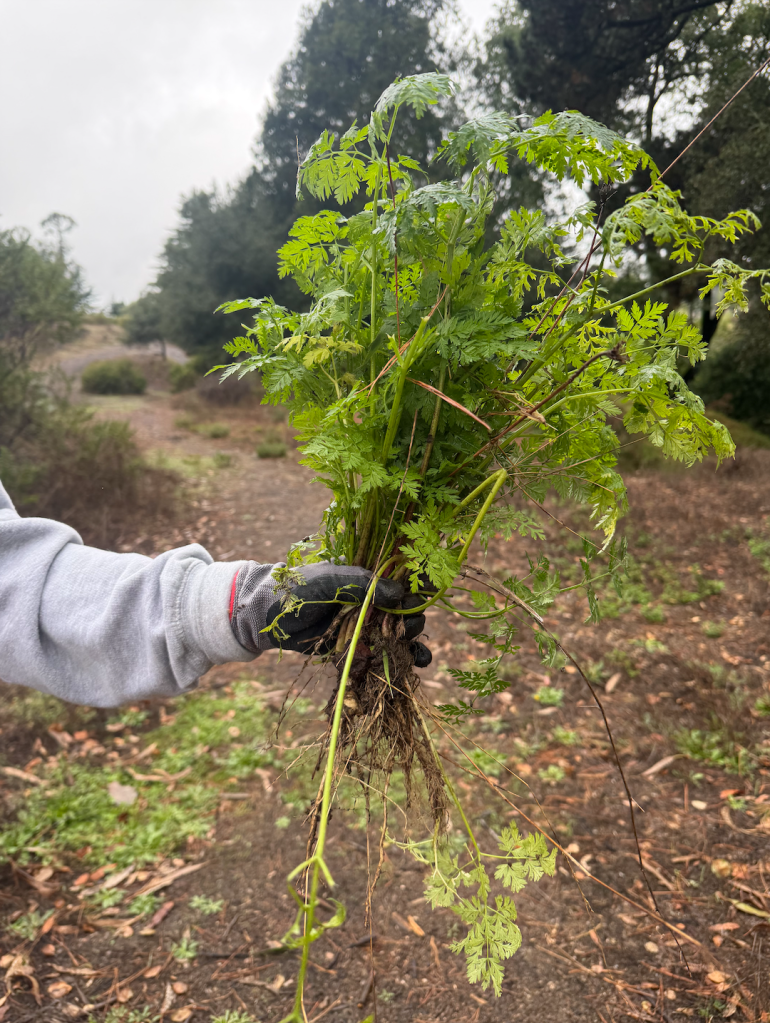
Every Saturday morning, armed with gloves, a bucket, and a slightly questionable amount of optimism, our small group of volunteers gets to work removing invasive plants like ice plant, mustard, and pampas grass. It’s repetitive, slow, and sometimes pretty exhausting, especially on windy days when the sand stings your ankles. Yet with every weed we pull, we make just a little more room for native species like beach sagewort, California poppies, lupine, and beach bur to reclaim their space.

What I didn’t expect was how quickly those small efforts would add up. Over the years, I’ve watched pockets of bare sand turn into islands of native growth. I’ve seen snowy plovers nest in places that were once covered in invasives. Even the wildlife feels more at home now; lizards dart across the path again, and coastal birds return to forage among plants that evolved alongside them.
One of my favorite moments happened earlier this year. I returned to an area where we had cleared ice plant months before, expecting to see empty sand. Instead, I found a patch of silver beach lupine glowing in the morning light. The contrast was striking: a species that had struggled to survive was now returning on its own, simply because we gave it the chance.
These dunes are more than a weekend project. They’re a lesson in resilience. They’ve taught me that restoration isn’t about instant results. It’s about trust. Trust that ecosystems remember how to heal. Trust that consistent care, even when it feels small, matters. And trust that community stewardship can transform a landscape.
Live, Laugh, Love,
Jessica Ngok 🌏


 Letters To Earth