
What’s up!
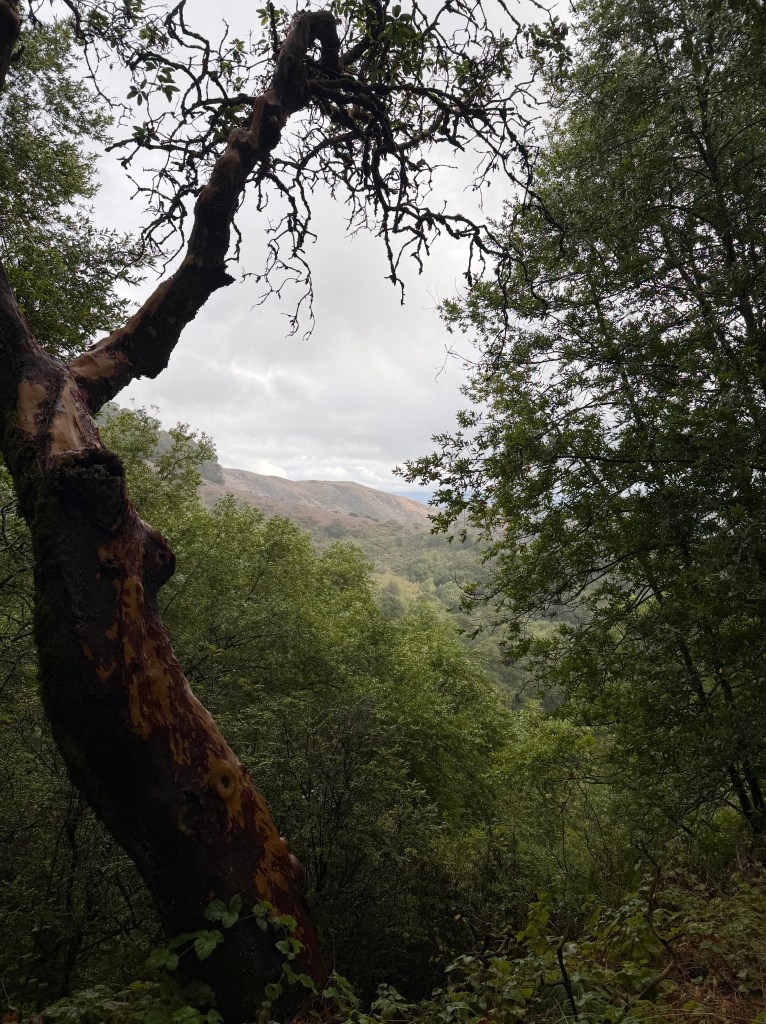
Back at the Huckleberry Botanical Preserve on a chilly, muddy morning was an experience that combined both hard work and a deep appreciation for nature. My task for the day was to remove poison hemlock, a notorious invasive plant that poses significant risks to local ecosystems and human health. As I pulled the plants from the earth, I couldn’t help but reflect on the historical significance of this species. Poison hemlock is infamously linked to the death of the ancient Greek philosopher Socrates, who was sentenced to drink a concoction containing this toxic plant.

This connection adds a layer of intrigue to my work, reminding me that the natural world is intertwined with human history in profound ways. The presence of poison hemlock in our environment is a pressing concern for conservationists and botanists alike. This plant, with its delicate white flowers and fern-like leaves, may appear innocuous at first glance, but it is highly toxic to both humans and animals. Its invasive nature allows it to spread rapidly, outcompeting native flora and disrupting local ecosystems.
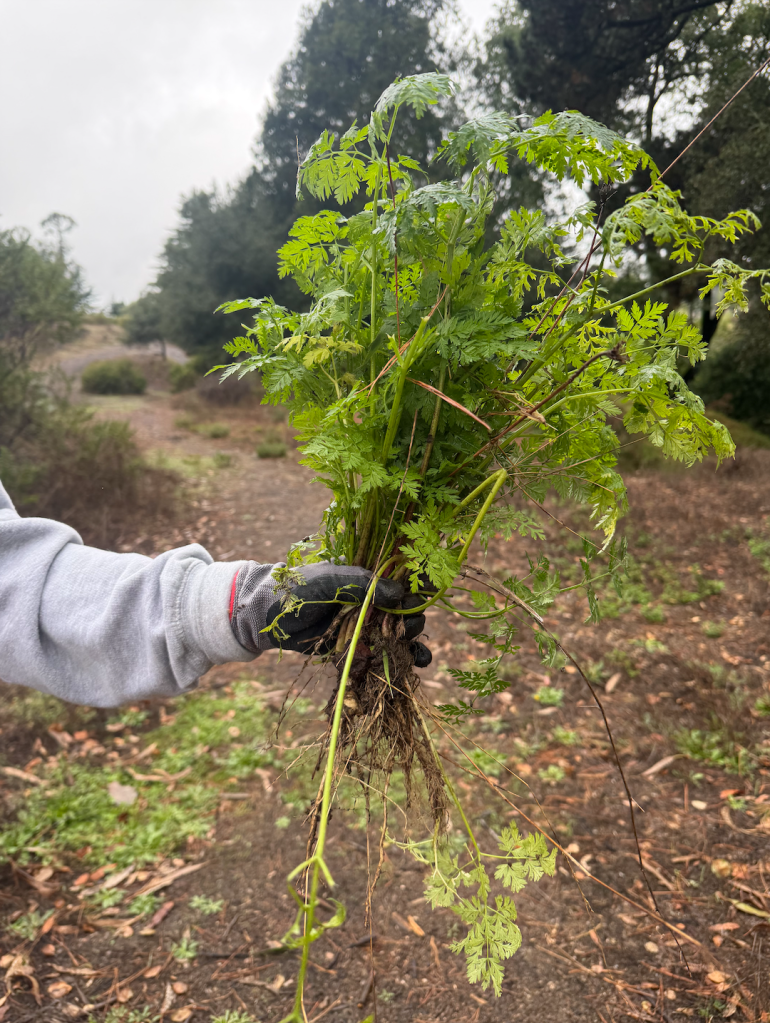

By volunteering to remove this plant, I felt a sense of purpose, contributing to the preservation of the botanical preserve and helping to restore balance to the local environment. Each hemlock I uprooted was a small victory against the encroachment of invasive species that threaten biodiversity. Engaging in this hands-on conservation work not only educated me about the challenges posed by invasive plants but also fostered a deeper connection to the land. The muddy conditions of the morning added a layer of authenticity to the experience, reminding me that environmental stewardship often requires hard work and perseverance. Volunteering in such a capacity is a powerful reminder of our role in protecting the natural world, and I encourage others to seek out similar opportunities to engage with and learn from their local environments.
Live.Laugh.Love
Jessica Ngok



 Letters To Earth