
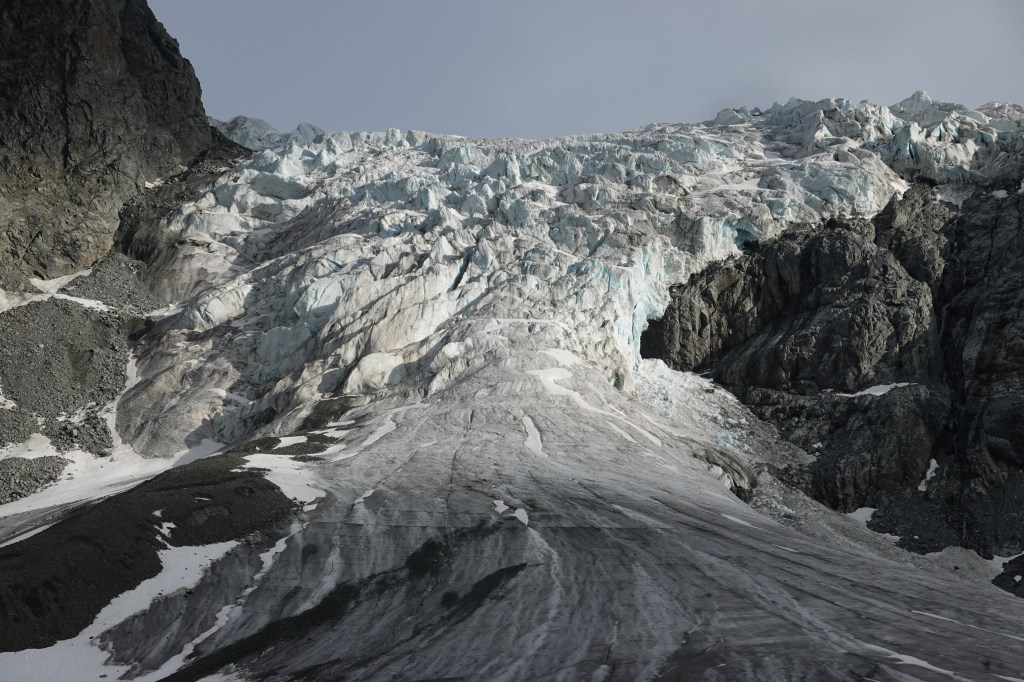
Spending ten days in the vast, icy expanse of Alaska’s Gulkana Glacier was unlike anything I’ve ever experienced. During this research expedition, I had the incredible opportunity to study something that might seem simple on the surface—pH levels. Our hypothesis investigated whether elevation influenced shifts in pH levels or not. Reassuringly, our travel route gave direct access to our question as we hiked from trailhead→base camp→ high camp; with a total of more than 5,000 feet incline, the data collected provided enough information to draw a conclusion.

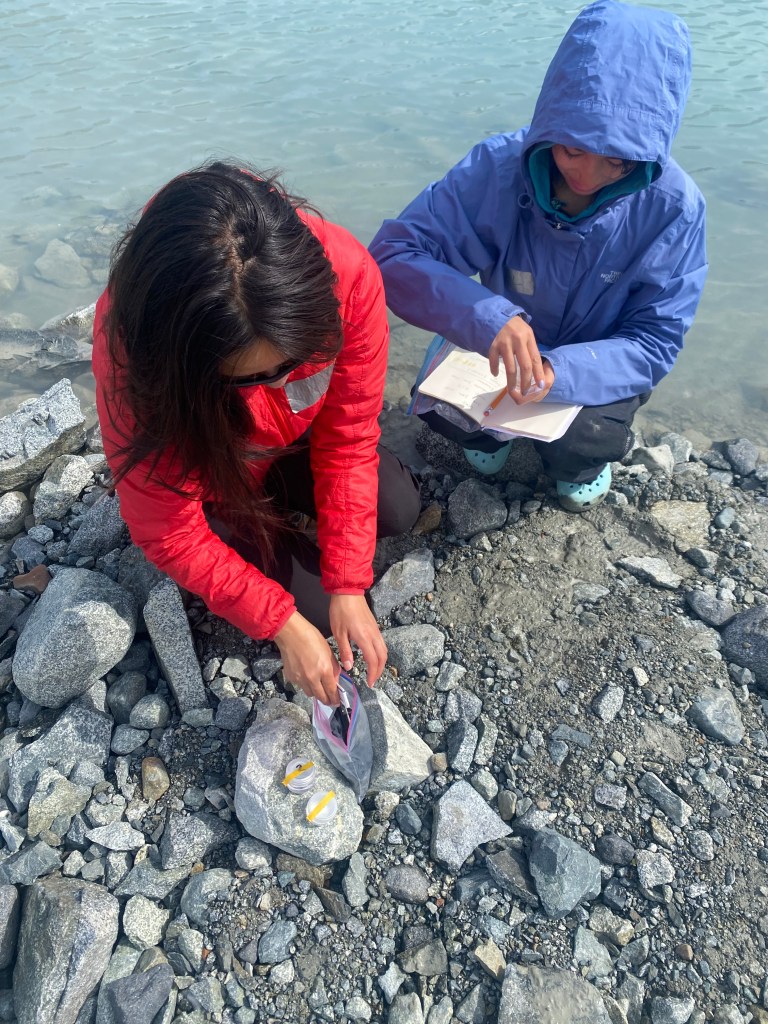
Collecting the data wasn’t easy. Since pH can change quickly after sample collection, we had to test it right away, often while standing in snow with numb fingers and wind cutting across the ice. But despite the discomfort, the urgency of our work felt real and important. It reminded me that science doesn’t always happen in labs—it often starts in the wild, with cold hands and a curious mind.

We wrapped up the last day with research presentations at the University of Fairbanks. The crowd consisted of many glaciologists, donors, scientists, and just so many supporting people. One of the most thought-provoking questions we received during our post-expedition presentation was: “Why do you think pH is important?”
At first glance, pH might just seem like a basic chemistry concept. But out there, standing in freezing temperatures, surrounded by nothing but ice, snow, and silence, it became clear how essential it is. pH helps us detect subtle changes in the environment—changes that can reveal human impact, even in places where it feels like people have never stepped foot.
Glaciers are often thought of as pristine. But our pH results, which mostly fell in the 6–7 range (slightly acidic to neutral), hinted that these ecosystems are not as isolated as they appear. Pollution can travel through the air and settle into glacier ice, altering its chemistry over time. These small shifts in pH can affect everything from microbial life in the meltwater to the long-term health of downstream ecosystems.

This experience taught me that research is not only about the data you collect, but the questions it raises. How much have we already changed remote ecosystems without realizing it? And what responsibility do we have to protect places like the Gulkana Glacier?
Here’s the link to the presentation: Glacial pH Presentation
Love,
Jessica Ngok 🌍

 Letters To Earth