
Dear Earth,
Let’s be real: Trader Joe’s mini tote bags are adorable, and I’m just as obsessed as the next person. Every time I visit the store, I tell myself I don’t need another one—then inevitably find myself leaving with a brand new bag that I absolutely can’t resist. These tiny, perfectly designed tote bags have become a status symbol of sorts. Who wouldn’t want to flaunt their grocery haul in a cute, reusable Trader Joe’s tote?
But here’s the truth: our collective obsession with these bags isn’t as harmless as it seems. In fact, it’s part of a much bigger issue—overconsumption. While the bags are marketed as eco-friendly and reusable, the sheer volume that people are buying (myself included) contradicts the sustainability message. I mean, how many tote bags does one person really need? Yet we keep buying more because they’re “limited edition” or because a new pattern is just too cute to pass up.
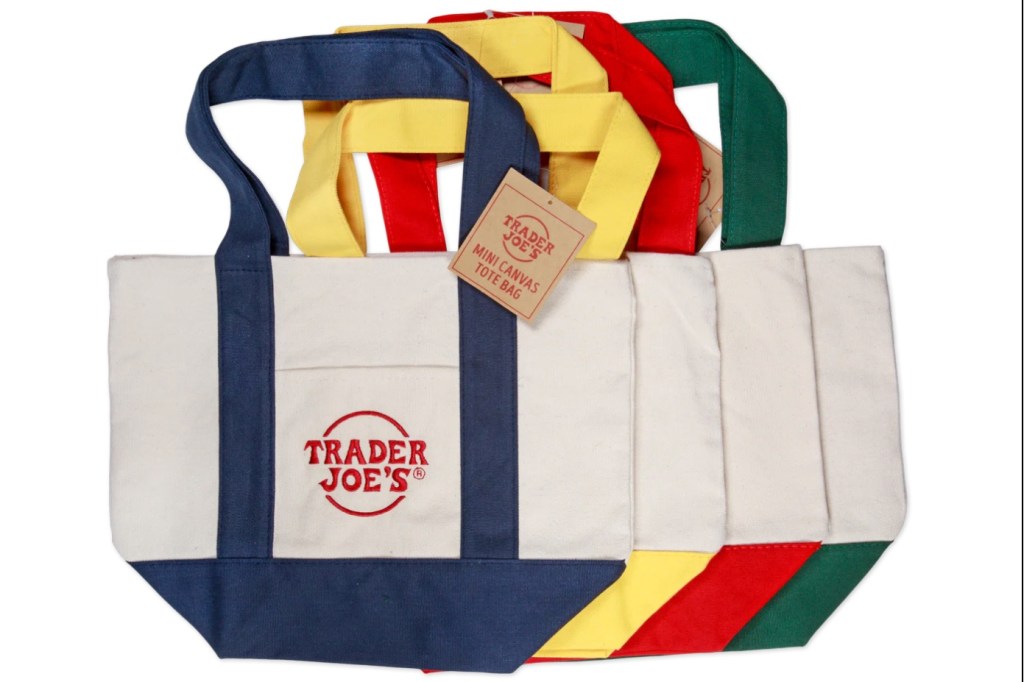
The dark side of this mini tote craze lies in the excess. Sure, they’re better than plastic bags, but what happens when we all own more mini totes than we can realistically use? Many of them end up stuffed in closets, forgotten, or even worse, thrown away. The environmental cost of producing these totes—along with the energy and materials used—can add up fast. While they may be made of fabric, it’s still overproduction that contributes to waste, especially when people treat them as disposable fashion accessories rather than long-term investments in sustainability.
I’ll admit, I’ve fallen for it too. But the more I think about it, the more I realize it’s time to take a step back. Do I really need another mini tote? Or is it just the consumerist mindset that makes me feel like I’m missing out? If we want to make real change, maybe it’s time to stop seeing these totes as collectibles and start seeing them for what they were originally intended to be: a way to reduce waste.
So next time you’re tempted to grab another Trader Joe’s mini tote, ask yourself if you truly need it—or if it’s just adding to the pile.
Best Wishes,
Jessica Ngok
 Letters To Earth