Food Sustainability is Failing

Dear Earth,

The issue of food sustainability in the United States is becoming increasingly critical, as it is evident that many American citizens are facing significant challenges in accessing sustainable food sources. The current food system is heavily reliant on industrial agriculture, which often prioritizes short-term profits over long-term environmental health. This approach not only compromises the quality and availability of food but also contributes to a range of social and economic disparities. As a result, many communities, particularly those in low-income areas, find themselves with limited access to fresh, nutritious food, leading to a cycle of poor health and food insecurity. 

Photo is adapted from: How to prevent soil erosion? | Wikifarmer

The connection between food sustainability and climate change is undeniable. The agricultural practices that dominate the American food landscape are major contributors to greenhouse gas emissions, deforestation, and soil degradation. These practices not only threaten the environment but also exacerbate the effects of climate change, creating a vicious cycle that further undermines food security. As extreme weather events become more frequent and severe, the vulnerability of our food systems increases, making it even more challenging for citizens to rely on a stable and sustainable food supply. This situation calls for urgent action to rethink and reform our food systems to prioritize sustainability and resilience. 

To address the failures of food sustainability in America, a multifaceted approach is necessary. This includes promoting local and organic farming practices, supporting policies that encourage sustainable agriculture, and increasing public awareness about the importance of food choices in relation to climate change. By fostering a more equitable food system that prioritizes environmental health and community well-being, we can begin to reverse the trends that have led to food insecurity and environmental degradation. Ultimately, creating a sustainable food future is not just about improving access to food; it is about ensuring that all Americans can thrive in a healthy and sustainable environment.

Peace. Love. Earth.,

Jessica Ngok 🌎

Chat GPT: The Villain or Heroine to the Rise of Environmental Issues

Dear Earth,

“Cease your love affair with Chat GPT!” We all yell in perfect harmony, like a choir of confused robots. But let’s be real, there’s no “we” in this melodious protest; it’s more like a solo act featuring a bunch of “theys” who forgot to invite the rest of us. The truth is, the collective “we” is as elusive as a Wi-Fi signal in a basement. It turns out that when it comes to the shiny gadgets and gizmos of our time, awareness is about as common as a unicorn at a tech convention. At some point, we all have to face the music and admit that humans are basically like fish out of water without their beloved tech. And while we’re at it, let’s not ignore the growing pile of evidence that shows how our tech obsession is not just messing with our brains but also giving Mother Nature a serious case of the heebie-jeebies.

Photo is adapted from: With OpenAI’s Release of GPT-4o, Is ChatGPT Plus Still Worth It? | WIRED

A computer is stupid. Humans are stupid but a developed kind of clueless. Hence, there is a connection between the way computers and people function. I would like to especially point out the similarity in which both humans and computers produce a nasty, sweaty smelling odor. Personally, when I sweat it’s because I’m getting overworked by activities, anxiousness, or just in general, the weather. Yet, it seems that many tech users out there fail to grasp that while I’m over here dripping like a leaky faucet, the computer is also sweating it out, stuck in the same sweaty predicament as its human counterpart, both of us just trying to keep our cool in this chaotic digital dance. Now, it’s common sense to understand how sweating works on the human side of this argument, however, the concept of computers sweating and releasing a bad odor as well, is “unknown.” 

A recent study was done at the University of California, Riverside, which revealed AI models like ChatGPT-3 and 4 have consequential water footprints. In the study, it highlights during the period of which Microsoft was training its GPT-3’s, approximately 700,000 litres of freshwater were used and evaporated. Apparently, that is equivalent to the same amount of water needed to produce 370 BMW cars or 320 Teslas. 

Photo is adapted from: Tesla’s Q2 Push Underway In Europe: Huge Fleet Sighted In
Mind Blowing!

The process of how AI generators use up a vast majority of our water sources is due to heat and overworking “our” beloved Chat GPT. Let’s put this into perspective. Everytime you ask Chat GPT to generate an essay, you are draining about 500 mL of freshwater. Each minute that you are on Chat gpt, there is a minute on earth of which water is being turned into heat to cool down the machine, and released into the atmosphere. We have millions of users on Chat GPT at the same time, asking the same question. Ultimately, Chat GPT will emit at least 8.4 tons of Carbon dioxide per year in the foreseeable future.

While I have hope that AI could address climate challenges in the future, the current lack of evidence showing its positive impact for the greater good is quite disheartening. Honestly, there should be hard limits on what Chat GPT can provide to daily users because at this rate, if we keep abusing technology’s convenience, we may have to use the term survive more often than living. 

Best,

Jessica Ngok

L.A. Fires: Plants are a Ticking Bomb

Dear Earth,

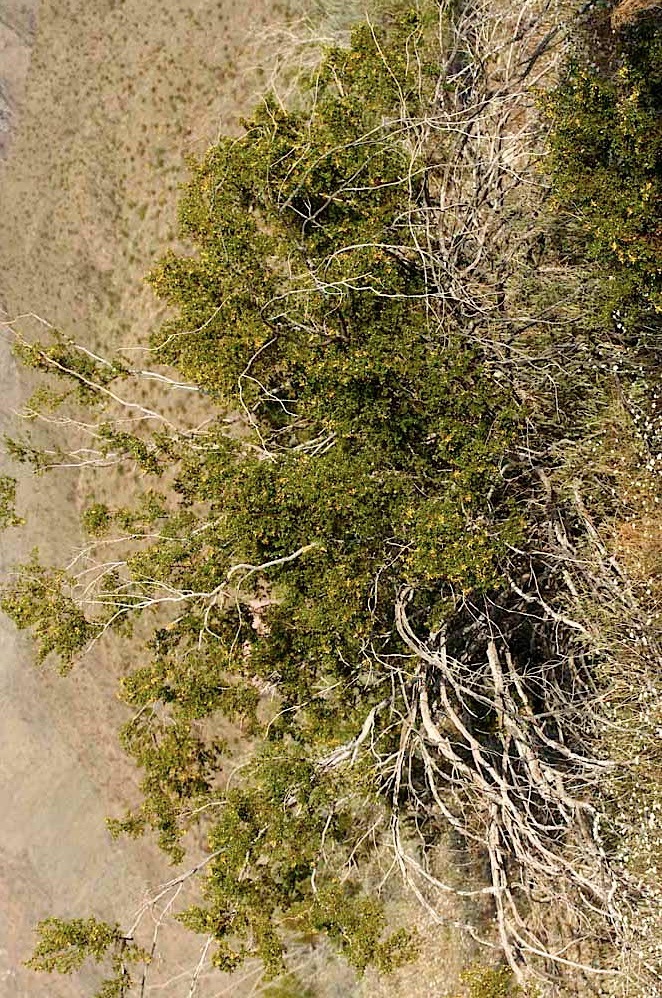
The wildfires in Los Angeles have become a pressing concern, drawing attention to the complex interplay between climate change and natural vegetation. While climate change undeniably exacerbates the conditions that lead to these devastating fires—such as prolonged droughts, higher temperatures, and erratic weather patterns—the primary culprits behind the flames are the chaparral plants that dominate the region. These hardy, drought-resistant shrubs are well-adapted to the Mediterranean climate of Southern California, but they also possess a high oil content, making them particularly flammable. When conditions are dry and hot, these plants can ignite easily, leading to rapid fire spread. 

Photo is adapted from: https://emsherbals.com/blogs/news/premium-harvest-chaparral

In addition to the inherent flammability of chaparral, the changing climate has created an environment where these fires can thrive. The increasing frequency and intensity of heatwaves, coupled with reduced rainfall, have created a perfect storm for wildfires. As the climate continues to warm, the window for fire season expands, allowing for more extended periods of vulnerability. This means that even areas that may have previously been safe from wildfires are now at risk, as the chaparral plants become more susceptible to ignition during these extreme weather events. 

Moreover, the impact of human activity cannot be overlooked in this equation. Urban development encroaches on natural landscapes, increasing the likelihood of human-caused ignitions. As more people move into fire-prone areas, the potential for accidental fires rises, further complicating the already challenging situation. The combination of climate change, the natural characteristics of chaparral, and human influence creates a multifaceted problem that requires comprehensive strategies for fire management and prevention. Addressing these issues is crucial for protecting both the environment and the communities that lie in the path of these relentless fires.

Peace. Love. Earth.,

Jessica Ngok 🌎

The Heartbreak of Vanishing Trees

Dear Earth,

I absorb myself with hope every time I get the opportunity to walk around the neighborhood with my dogs and family. I savor the laughter that fills the air, the warmth of the setting sun as it casts my lovely neighborhood in a golden glow, and the joyful interactions with other dogs along the way. But what stands out the most, what makes these walks truly unforgettable, is something almost too peculiar to explain: my collection of trees. They ground me, these quiet sentinels, even as I know that one day this moment, this rhythm, will fade into memory.

A natural departure of a fleeting life is devastating, but fair; it’s the cycle that we have lived in for eternity. What isn’t fair, however, is the destruction born from ignorance and selfishness—a forced and unnatural end. When what was once cherished, a living memory of beauty and significance, is reduced to nothing more than a shadow of what it was meant to be. 

I have observed a growing rise of tree cutting in my neighborhood and it breaks my heart every time I see another stump where a vibrant, living tree once stood. These trees, which have witnessed countless seasons and sheltered generations of birds and squirrels, are more than just part of the scenery—they are a testament to the endurance of life, even in the most urban of spaces.

I can’t help but wonder: Do the people who cut them down understand what they’re taking away? Not just from the environment, but from the community? Trees clean our air, offer shade, reduce noise, and provide a calming presence in our lives. For me, they’ve always been more than providers—they’re companions.

The loss feels personal, and perhaps it is. My walks are quieter now, the air feels a little heavier, and the absence of their towering forms leaves the skyline bare. It’s a sobering reminder of how fragile our connection to nature can be, how easily it can be severed by a single thoughtless act.

It’s not just about mourning the losses; it’s about preventing future ones. The trees may be silent, but their message is loud and clear: if we don’t stand up for them, who will?

Peace. Love. Earth.,

Jessica Ngok 🌎

Whats the Big Deal Around “FOMO”

Dear Earth,

Today I am going to take a break from Earth and venture into the minds of teenagers!

We live in an era where the rapid advancement of social media and technology has revolutionized how we connect, express ourselves, and find meaning in life. These platforms offer incredible opportunities to share stories, discover new ideas, and stay informed. However, they’ve also given rise to a troubling reality: many in Generation Z struggle to see their own worth outside of their online personas.

This growing dependence on external validation has led to the widespread experience of FOMO—the Fear of Missing Out.

When I first heard the term “FOMO,” I instinctively thought it referred to some kind of physical health condition. It sounded serious, like a disease that eats away at your body. Ironically, in a way, it does. But instead of targeting the body, FOMO takes its toll on the mind. To my surprise (and demise), I discovered that FOMO is shorthand for the Fear of Missing Out—a psychological phenomenon that can consume your thoughts and erode your sense of self-worth.

The Psychological Impact of FOMO

In extreme cases, FOMO can lead to unhealthy behaviors, such as overcommitting to activities, prioritizing online presence over real-life connections, or experiencing burnout from constantly trying to “keep up.” It’s a relentless cycle of comparing yourself to others, feeling like you’re falling behind, and scrambling to prove otherwise.

But why does FOMO have such a powerful hold on us? My theory is that it stems from a lack of confidence and self-worth. Humans are naturally social creatures, and the idea of being excluded triggers deep feelings of rejection. We crave connection and validation, which makes us vulnerable to the critics of social media. Every scroll reminds us of what we’re not doing, who we’re not with, or what we don’t have.

Over time, this constant exposure creates a false narrative: that everyone else is living a more exciting, fulfilling life. And if we’re not part of it, we must be doing something wrong.

FOMO and Self-Worth

At its core, FOMO isn’t just about missing out on events or opportunities—it’s about what those things represent. It’s about wanting to feel included, important, and valued. When we tie our sense of self-worth to the approval of others or the appearance of having an enviable life, we set ourselves up for disappointment.

In many ways, FOMO reflects an internal struggle. It’s a sign that we’re looking outward for validation instead of finding value within ourselves. At some point, experiencing FOMO might indicate a deeper issue: a lack of confidence and self-acceptance.

In conclusion, while social media offers a powerful way to connect and share experiences, it also creates an environment where FOMO thrives and undermines our sense of self-worth. The constant comparison to others and the pressure to measure up can have a lasting psychological impact, leaving us feeling inadequate and disconnected. To break free from this cycle, it’s crucial to focus on cultivating self-acceptance and finding fulfillment from within. By embracing who we are, rather than seeking validation from external sources, we can reclaim our confidence and create a healthier relationship with both ourselves and the digital world around us.

Have a Great Thanksgiving!

Best,

Jessica Ngok

What to Expect (And Not Expect) in Trump’s 2024 America

Dear Earth,

With Donald Trump back in the White House, we’re already seeing some major shifts in climate policy. In classic Trump fashion, it’s shaping up to be a big “Thank you, next” to recent environmental efforts. Instead of pushing for renewable energy, get ready for a renewed love affair with fossil fuels. There may be an oil rig pop-up in every backyard if things go the way the fossil fuel industry hopes. Environmentalists are shaking their heads and saying, “Didn’t we just go through this?” 

The U.S. pulling back from international climate agreements could feel like that one friend who bails on plans last minute. As one of the world’s largest carbon emitters, the U.S. plays a crucial role in global emissions reduction. So if America decides to step back, other countries might throw their hands up too, thinking, “If they’re not in, why should we be?” Agreements like the Paris Accord, which aims to limit global warming to 1.5 degrees Celsius, could start feeling more like wishful thinking than a real plan.

Here at home, it might be up to state and local governments to take up the environmental slack. States like California and New York, who’ve been paving the way in green energy, could become the “cool parents” of climate action, handing out solar panels and reusable bags while the federal government doubles down on coal. Localized climate goals could keep some progress alive, but it might also lead to a confusing patchwork of rules where, depending on the state, you’re either a climate warrior or an “anything-goes” energy user.

Economically, it’s a mixed bag. Rolling back federal incentives for clean energy could slow down job growth in wind, solar, and other renewable industries, impacting communities that rely on these sectors. But here’s the twist: companies and the general public are more eco-conscious than ever. Even if federal policy pulls back, popular support and business interest in sustainability could create a quirky, resilient counterculture of climate action, driven by green-minded folks determined to keep us moving forward, one compost bin at a time.

Sincerely,

Jessica N.

Building Careers in the Shadow of Climate Change

Dear Earth,

There’s a question we’ve all been asked a hundred times—“What do you want to be when you grow up?” For some, it might spark excitement, a chance to imagine a life as a doctor, scientist, or engineer. But for many of us, the answer is more complicated. When I think about the future, my mind doesn’t just drift to the career path or the dream job I’d like to pursue. Instead, a deeper fear rises up: Will there even be a future for me to build a career in?

Climate change isn’t a distant problem and it wasn’t to begin with. It’s here, and it’s reshaping everything. Natural disasters once considered rare and extreme are becoming the norm. Take, for instance, hurricanes like Milton and Helene that struck with a ferocity unimaginable only a decade ago. They wiped out communities, displaced families, and caused billions in damage. Thousands of people had to rebuild their lives from scratch, and for many, it wasn’t just homes that were lost—it was jobs, businesses, entire industries that had to start over or disappear altogether. Imagine working toward a career, only to see the very foundation of that career wiped out by a storm.

Image is adapted from: AP News Hurricane Milton

And it’s not just hurricanes. We’re seeing floods in places where they never happened before. Just think about the Sahara Desert—once a symbol of dryness, sand, and relentless heat, now experiencing unprecedented flooding. The irony of one of the driest places on Earth being submerged is like a warning bell ringing for us all. It tells us that climate change is a global force, ignoring boundaries, affecting places we thought were immune.

Photo is adapted from: CNN News Sahara Desert

This kind of instability creates uncertainty for everyone, especially for young people who are preparing to build their lives, careers, and futures. We’re constantly told to dream big and to reach for careers that will allow us to make an impact, to build something meaningful. But it’s hard to make plans when the world we’ll inherit feels so fragile.

In the past, ambition was encouraged with the promise that the future was ours to shape. But now, the future doesn’t feel as guaranteed. We’re told that to make a difference, we need to become engineers, scientists, environmental activists—but even these roles face unique pressures in a world that may need to spend more time managing disasters than innovating. Even if we choose careers aimed at solving these problems, we still have to wonder if we’ll be equipped for what lies ahead.

Facing the fear of an uncertain future isn’t easy, and sometimes it feels like an overwhelming weight. But perhaps in that fear, we’ll find the motivation to build a career with purpose, not just for ourselves but for the generations that follow. Maybe the question isn’t so much “What do you want to be when you grow up?” but rather, “How can you shape the future we all deserve?”

Sincerely,

Jessica Ngok

The Obsession Over Trader Joes Mini Tote Bags

Dear Earth, 

Let’s be real: Trader Joe’s mini tote bags are adorable, and I’m just as obsessed as the next person. Every time I visit the store, I tell myself I don’t need another one—then inevitably find myself leaving with a brand new bag that I absolutely can’t resist. These tiny, perfectly designed tote bags have become a status symbol of sorts. Who wouldn’t want to flaunt their grocery haul in a cute, reusable Trader Joe’s tote?

But here’s the truth: our collective obsession with these bags isn’t as harmless as it seems. In fact, it’s part of a much bigger issue—overconsumption. While the bags are marketed as eco-friendly and reusable, the sheer volume that people are buying (myself included) contradicts the sustainability message. I mean, how many tote bags does one person really need? Yet we keep buying more because they’re “limited edition” or because a new pattern is just too cute to pass up.

Photo is from the Trader Joe’s website: https://www.traderjoes.com/home/products/pdp/mini-canvas-tote-bag-076747

The dark side of this mini tote craze lies in the excess. Sure, they’re better than plastic bags, but what happens when we all own more mini totes than we can realistically use? Many of them end up stuffed in closets, forgotten, or even worse, thrown away. The environmental cost of producing these totes—along with the energy and materials used—can add up fast. While they may be made of fabric, it’s still overproduction that contributes to waste, especially when people treat them as disposable fashion accessories rather than long-term investments in sustainability.

I’ll admit, I’ve fallen for it too. But the more I think about it, the more I realize it’s time to take a step back. Do I really need another mini tote? Or is it just the consumerist mindset that makes me feel like I’m missing out? If we want to make real change, maybe it’s time to stop seeing these totes as collectibles and start seeing them for what they were originally intended to be: a way to reduce waste.

So next time you’re tempted to grab another Trader Joe’s mini tote, ask yourself if you truly need it—or if it’s just adding to the pile.

Best Wishes,

Jessica Ngok

Huckleberry Botanic Regional Preserve: Volunteering with Nature’s Wonders

It was early on a chilly Sunday morning when I arrived at Huckleberry Botanic Regional Preserve, not really knowing what to expect but excited to help out. The air was cold, and I could see my breath as I walked into the park. The sun was barely rising, and the light made everything look golden and peaceful. I had a feeling that this day was going to be something special.

The preserve was beautiful, way more than I expected—but what really surprised me was learning about the ladybug migration that happens here every year. These little ladybugs come all the way from the Sierra Mountains just to hang out at Huckleberry for the winter. They travel so far and in such huge numbers, and it’s crazy to think that this park is their chosen spot. I’ve never seen so many ladybugs in one place before! They were everywhere, on leaves, branches, and even crawling around in the grass.

No one is 100% sure why they come all the way to this specific spot, but it has something to do with the cool coastal climate and all the plants that make the area perfect for them. Watching them move together in swarms made me realize how important it was to keep this place in good condition for them and other wildlife that call it home.

After hearing about the ladybugs, we got to work. Our main job for the day was pulling out invasive weeds. At first, I wasn’t sure how pulling weeds could make much of a difference, but I quickly learned that these non-native plants take over the area and make it hard for the native plants to grow. The native plants are super important because they support the whole ecosystem, including the ladybugs and other wildlife. So, pulling those weeds wasn’t just about cleaning up the park, it was helping to protect the entire environment.

Pulling weeds sounds easy, but it’s actually hard work! Some of the roots were really deep, and it took a lot of effort to get them out. But with every weed I yanked out of the ground, I felt like I was helping, even in a small way. I took breaks now and then to look around at the park. The green hills, the trees, and all the plants just looked so alive. It felt good to be outside, away from screens, and doing something positive for the environment.

By the end of the day, I was exhausted. My hands were dirty, and I was covered in mud, but I also felt proud. Even though I had only spent a few hours at Huckleberry, I knew I had made a difference. It felt good knowing that I had helped preserve this place for the ladybugs and all the other creatures that depend on it.

Volunteering at Huckleberry Botanic Regional Preserve taught me that even small actions, like pulling a weed, can make a big impact. And after seeing all those ladybugs that traveled so far just to stay here, I realized how important it is to protect places like this. Nature has its own way of working, and sometimes we just need to give it a little help.

Reflections on the Stanford Young Investigators Program

Looking back on my time at the Stanford Young Investigators program, I realize just how transformative the experience was for me. Working in the Arrigo Lab on phytoplankton growth, I not only gained a deeper understanding of marine biology but also experienced firsthand the thrill of contributing to meaningful research. The guidance from my supervisor and the hands-on work in the lab were invaluable, pushing me to develop skills that I will carry forward in my academic journey.

Presenting my research was a pivotal moment. It wasn’t just about sharing data; it was about standing confidently in front of my peers and mentors, explaining the significance of my work, and engaging in thoughtful discussions. The feedback I received was insightful, and it challenged me to think more critically about my research, sparking new ideas and questions.

The diverse presentations from other students were equally inspiring. Whether it was an exploration of fungi, a deep dive into earthquakes, or a creative take on coral reefs, each topic broadened my perspective on science. The music video about fungi, in particular, was a delightful reminder that science can be communicated in ways that are both fun and informative.

As I reflect on the entire experience, I am filled with a sense of gratitude. The program was more than just a learning opportunity; it was a chance to be part of a community of passionate young scientists. It reinforced my love for science and has left me excited to pursue new research opportunities in the future. The Stanford Young Investigators program was truly a stepping stone, and I look forward to where it will lead me next.