Alameda Encinal Sand Dunes Restoration Project

Dear Earth,

When I first started volunteering at the Encinal sand dunes in Alameda four years ago, I didn’t fully understand how much impact a handful of dedicated people, and a lot of patient weed-pulling, could have on a fragile ecosystem. Back then, the dunes looked tired. Ice plant sprawled across the sand like a heavy blanket, choking out the native species that once thrived here. Even walking the site felt like stepping into a long-forgotten corner of the Bay.

But over time, I’ve seen something incredible happen: the dunes have begun to breathe again.

Every Saturday morning, armed with gloves, a bucket, and a slightly questionable amount of optimism, our small group of volunteers gets to work removing invasive plants like ice plant, mustard, and pampas grass. It’s repetitive, slow, and sometimes pretty exhausting, especially on windy days when the sand stings your ankles. Yet with every weed we pull, we make just a little more room for native species like beach sagewortCalifornia poppieslupine, and beach bur to reclaim their space.

What I didn’t expect was how quickly those small efforts would add up. Over the years, I’ve watched pockets of bare sand turn into islands of native growth. I’ve seen snowy plovers nest in places that were once covered in invasives. Even the wildlife feels more at home now; lizards dart across the path again, and coastal birds return to forage among plants that evolved alongside them.

One of my favorite moments happened earlier this year. I returned to an area where we had cleared ice plant months before, expecting to see empty sand. Instead, I found a patch of silver beach lupine glowing in the morning light. The contrast was striking: a species that had struggled to survive was now returning on its own, simply because we gave it the chance.

These dunes are more than a weekend project. They’re a lesson in resilience. They’ve taught me that restoration isn’t about instant results. It’s about trust. Trust that ecosystems remember how to heal. Trust that consistent care, even when it feels small, matters. And trust that community stewardship can transform a landscape.

Live, Laugh, Love,

Jessica Ngok 🌏

Poison Hemlock

What’s up!

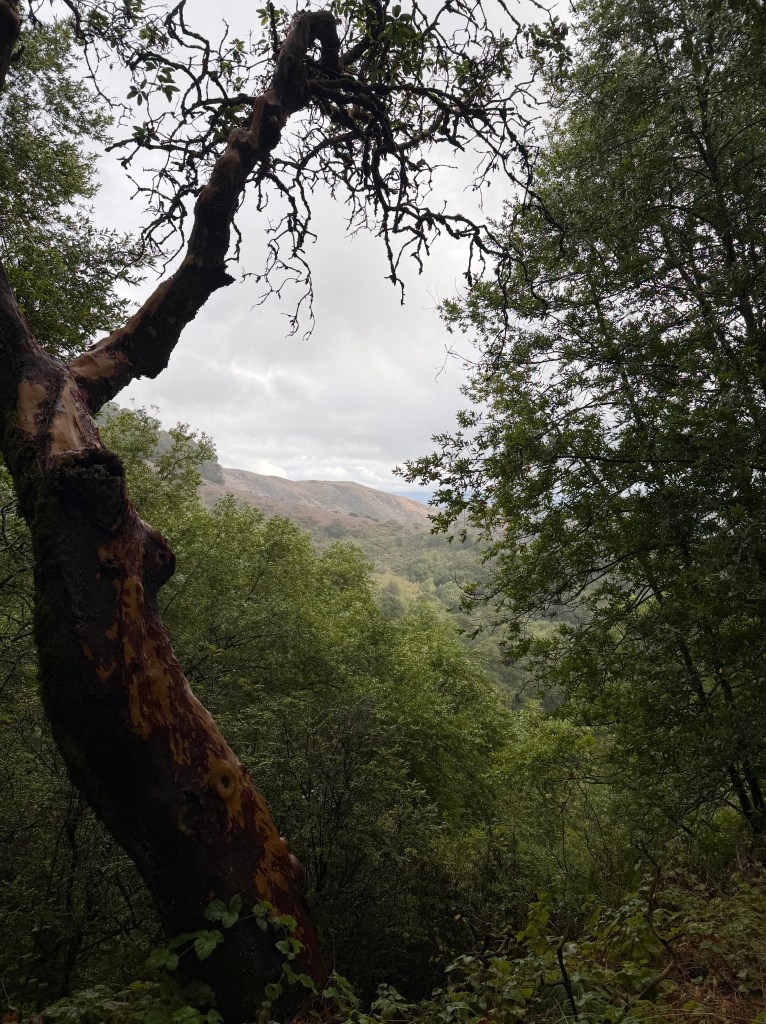
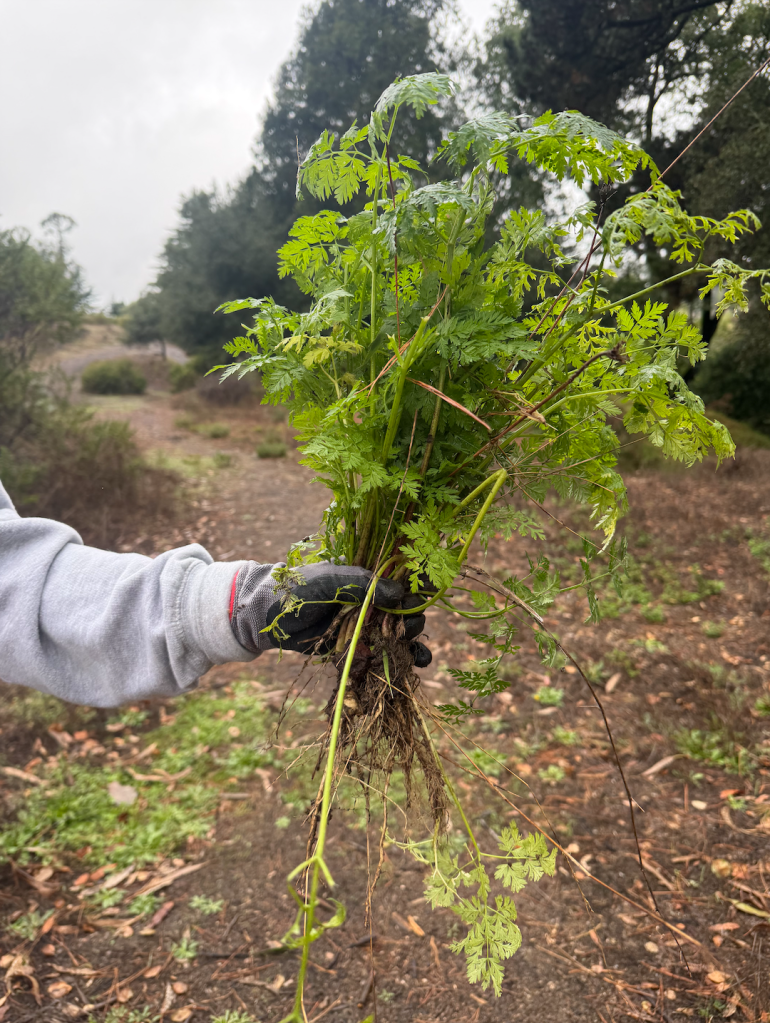
Back at the Huckleberry Botanical Preserve on a chilly, muddy morning was an experience that combined both hard work and a deep appreciation for nature. My task for the day was to remove poison hemlock, a notorious invasive plant that poses significant risks to local ecosystems and human health. As I pulled the plants from the earth, I couldn’t help but reflect on the historical significance of this species. Poison hemlock is infamously linked to the death of the ancient Greek philosopher Socrates, who was sentenced to drink a concoction containing this toxic plant.

This connection adds a layer of intrigue to my work, reminding me that the natural world is intertwined with human history in profound ways. The presence of poison hemlock in our environment is a pressing concern for conservationists and botanists alike. This plant, with its delicate white flowers and fern-like leaves, may appear innocuous at first glance, but it is highly toxic to both humans and animals. Its invasive nature allows it to spread rapidly, outcompeting native flora and disrupting local ecosystems.

By volunteering to remove this plant, I felt a sense of purpose, contributing to the preservation of the botanical preserve and helping to restore balance to the local environment. Each hemlock I uprooted was a small victory against the encroachment of invasive species that threaten biodiversity. Engaging in this hands-on conservation work not only educated me about the challenges posed by invasive plants but also fostered a deeper connection to the land. The muddy conditions of the morning added a layer of authenticity to the experience, reminding me that environmental stewardship often requires hard work and perseverance. Volunteering in such a capacity is a powerful reminder of our role in protecting the natural world, and I encourage others to seek out similar opportunities to engage with and learn from their local environments.

Live.Laugh.Love

Jessica Ngok


Restoring Sibley Park’s Meadow

On a Saturday morning, I joined a small group of volunteers at Sibley Park to help restore a native bunchgrass-wildflower meadow located about ten minutes from the main parking lot. Our main goal is to remove invasive species that threaten the native plants. Before starting, we walk through the meadow to identify which species to keep and which to remove.

Most of my time is spent hand-pulling weeds like thistles and non-native grasses. For tougher plants with deep roots, I use small tools to loosen the soil before removing them completely to prevent regrowth. We make sure to collect any seed heads from invasive plants so they don’t spread further. Once a section is cleared, we shake off excess dirt, pile the weeds for disposal, and check for any remaining roots.

After we finish weeding, we sometimes collect seeds from native plants such as Mule’s Ears or Needlegrass to replant in bare patches. The process repeats week after week, slowly helping the meadow recover and allowing native species to return.

Best Wishes,

Jessica Ngok

10k Race Against Breast Cancer

Dear Earth,

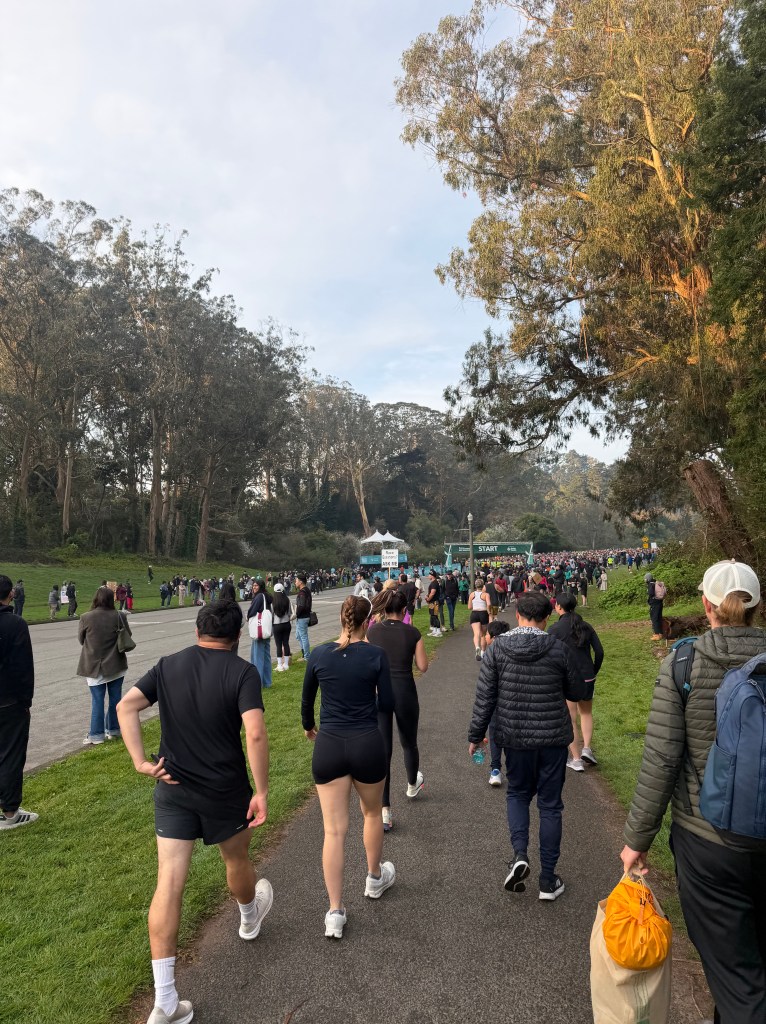
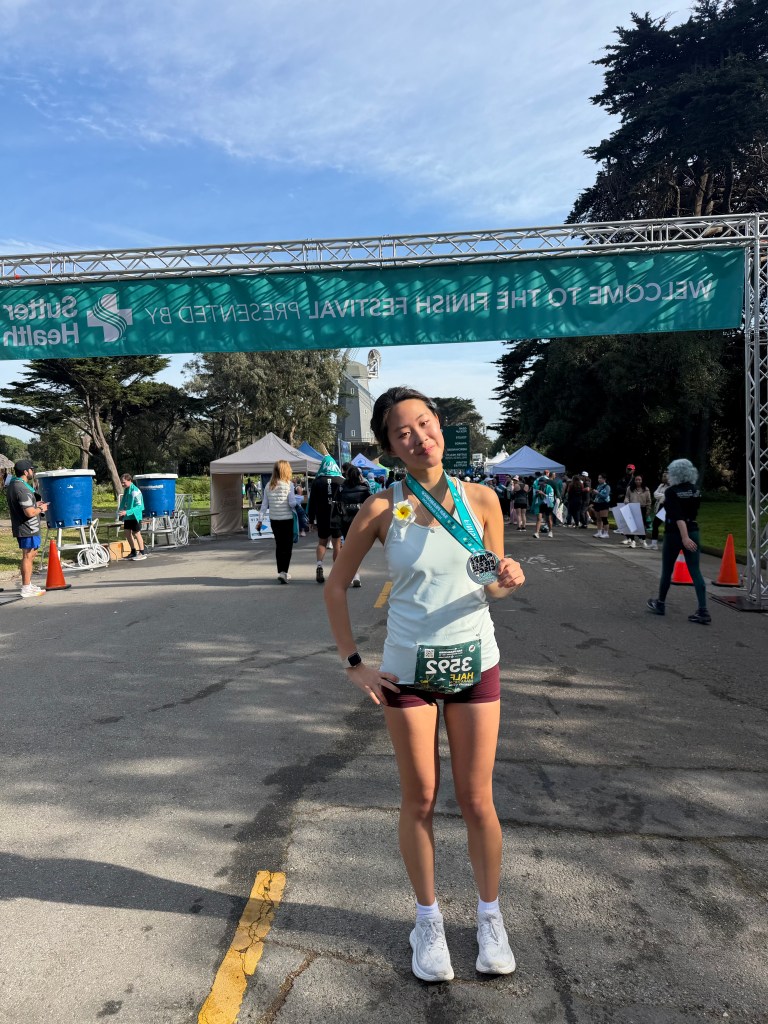
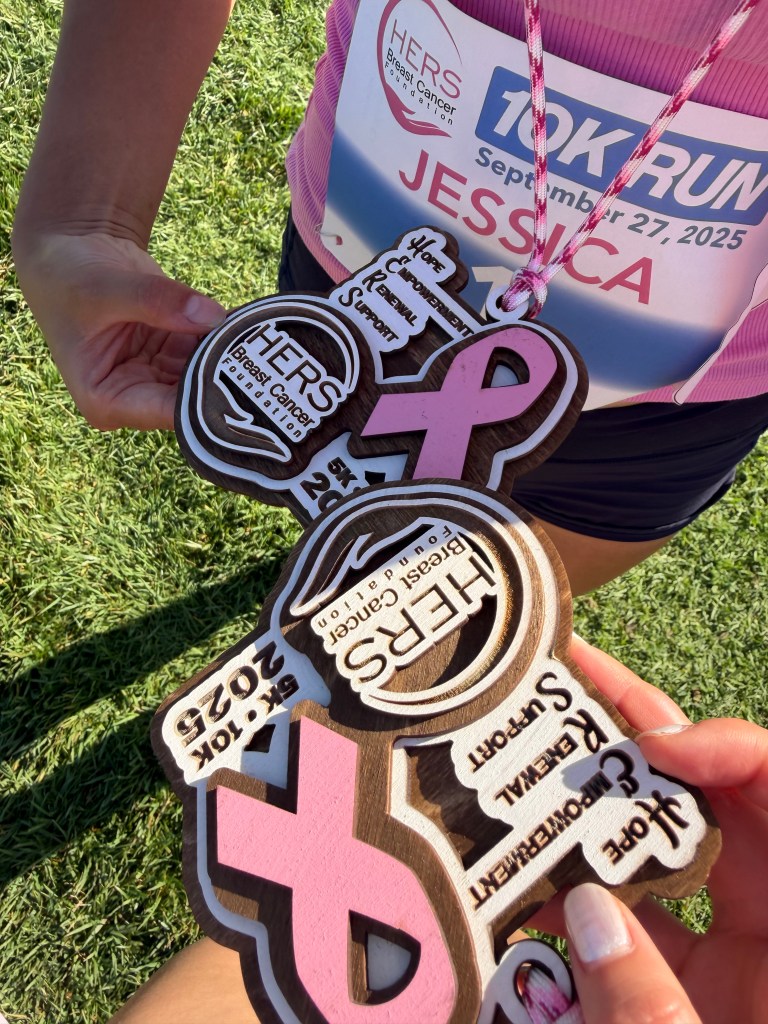
Today I ran my first 10k for the Hers Breast Cancer Foundation, and I still can’t believe I crossed the finish line in first place for my age group. The morning started early and cold, with the sky barely awake and the air full of quiet excitement. As I pinned on my race bib and stretched beside other runners, I thought about what this run meant. It wasn’t just about racing; it was about supporting those affected by breast cancer and honoring the resilience of survivors. Every step I took reminded me of the strength it takes to fight, to heal, and to keep going even when it hurts.

The course was tough. There were moments when my legs burned and my breathing grew heavy, but I kept going. The cheering crowd, pink banners, and small groups of families holding signs gave me energy when I started to fade. Around mile five, I felt the exhaustion start to lift, replaced by determination. I pushed forward, focusing on the rhythm of my steps and the sound of the wind. When I finally saw the finish line, something inside me surged. I sprinted the last stretch, crossing with a smile that felt both tired and proud.

Winning first place in my age group was a surprise, but it wasn’t the medal that mattered most. It was knowing that I ran for something bigger than myself and that every mile made a difference. Standing among the other runners, I felt grateful: for my health, for the people cheering, and for the chance to contribute to a cause that gives hope. This race reminded me that strength comes in many forms, whether it’s running a 10k or fighting through something much harder. And as I cooled down and watched the sunrise stretch across the sky, I promised myself to keep running—with purpose, gratitude, and heart.

Love,

Jessica Ngok

Gulkana Glacier-pH Research

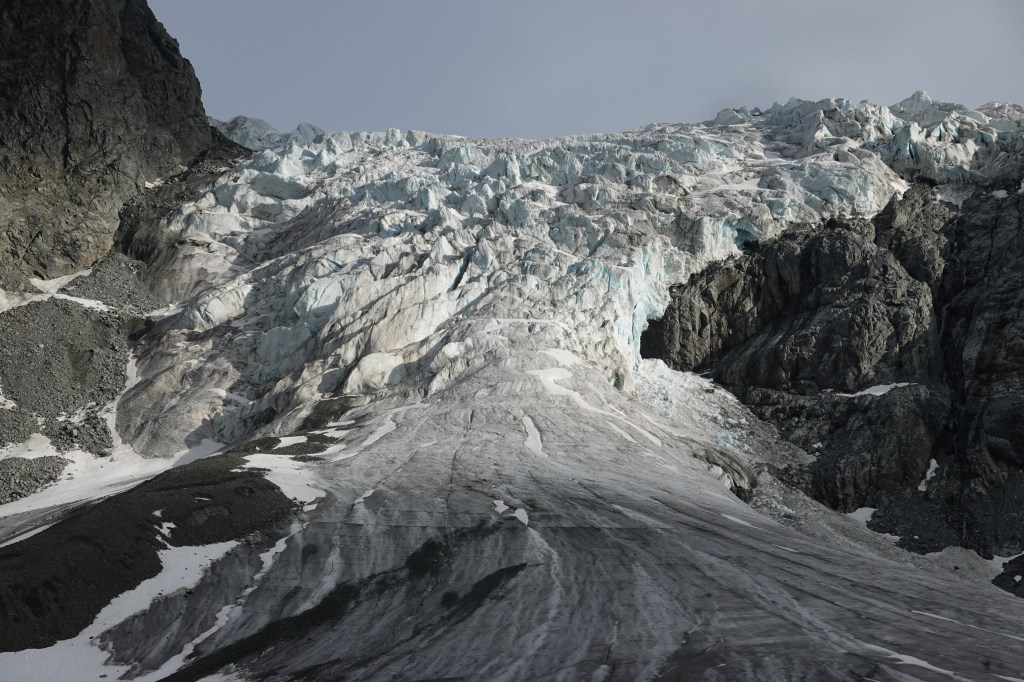
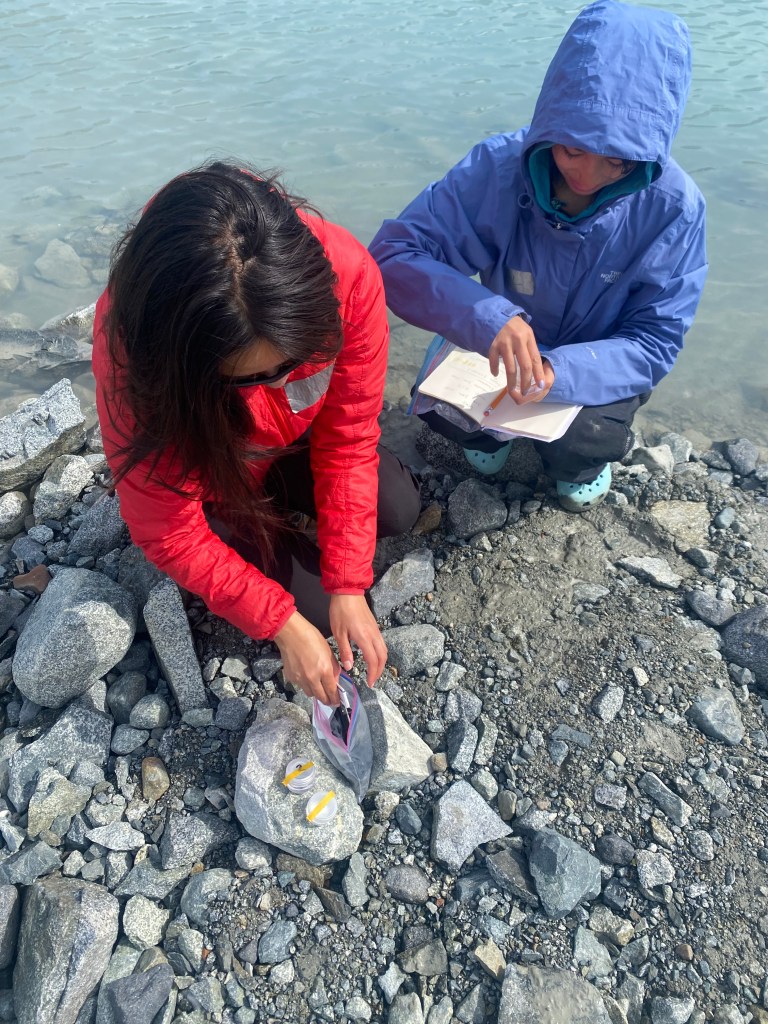
Spending ten days in the vast, icy expanse of Alaska’s Gulkana Glacier was unlike anything I’ve ever experienced. During this research expedition, I had the incredible opportunity to study something that might seem simple on the surface—pH levels. Our hypothesis investigated whether elevation influenced shifts in pH levels or not. Reassuringly, our travel route gave direct access to our question as we hiked from trailhead→base camp→ high camp; with a total of more than 5,000 feet incline, the data collected provided enough information to draw a conclusion. 

Collecting the data wasn’t easy. Since pH can change quickly after sample collection, we had to test it right away, often while standing in snow with numb fingers and wind cutting across the ice. But despite the discomfort, the urgency of our work felt real and important. It reminded me that science doesn’t always happen in labs—it often starts in the wild, with cold hands and a curious mind.

We wrapped up the last day with research presentations at the University of Fairbanks. The crowd consisted of many glaciologists, donors, scientists, and just so many supporting people. One of the most thought-provoking questions we received during our post-expedition presentation was: “Why do you think pH is important?”

At first glance, pH might just seem like a basic chemistry concept. But out there, standing in freezing temperatures, surrounded by nothing but ice, snow, and silence, it became clear how essential it is. pH helps us detect subtle changes in the environment—changes that can reveal human impact, even in places where it feels like people have never stepped foot.

Glaciers are often thought of as pristine. But our pH results, which mostly fell in the 6–7 range (slightly acidic to neutral), hinted that these ecosystems are not as isolated as they appear. Pollution can travel through the air and settle into glacier ice, altering its chemistry over time. These small shifts in pH can affect everything from microbial life in the meltwater to the long-term health of downstream ecosystems.

This experience taught me that research is not only about the data you collect, but the questions it raises. How much have we already changed remote ecosystems without realizing it? And what responsibility do we have to protect places like the Gulkana Glacier?

Here’s the link to the presentation: Glacial pH Presentation

Love,

Jessica Ngok 🌍

Girls on Ice*Alaska Expedition

Dear Earth,

Long time no see.

I just returned from my expedition in Alaska—and wow, what an adventure it was. I crossed glacial rivers so cold they made my bones ache, climbed over moraines that felt like ancient staircases built by time itself, and carried science gear through terrain that demanded every ounce of strength and curiosity I had. It was raw, intense, and beautiful.

But I won’t lie—the first two days were rough. I felt completely out of my element. No phone, no warm bed, no easy way to talk to my family. The days were long and unfamiliar, the bugs relentless, and I remember lying in my sleeping bag wondering why I’d come at all. I missed home, missed the comfort of a hot meal and a familiar routine. My muscles ached in ways I didn’t know were possible, and I found myself silently counting the days until it would be over.

But slowly, something shifted. I got used to the cold fingers in the morning and the weight of my pack. I began to see the rhythm of this new lifestyle—the simplicity, the quiet, the way everything I needed was on my back or beside me in the team. The discomfort faded, and in its place came awe.

Because beyond the physical challenge, what truly left a mark on me was the community. I met the most incredible people—strong, kind, brilliant individuals who care about you deeply, Earth. We shared stories under a sky that never really got dark, and we laughed in the face of rainstorms and sore muscles. Together, we learned how to observe you with scientific eyes and an open heart. We tested glacial runoff, studied sediment layers, and tried to understand how your ancient rhythms are changing with the warming climate.

There’s something grounding about being so close to your untouched corners. In those moments—whether freezing in a river or journaling by the fire—you reminded me that science is not just data, but connection. It’s feeling the crunch of gravel underfoot and knowing it tells a story that predates us.

I miss the stillness. I miss the wild. I miss you, Earth, in your unfiltered form.

Until the next adventure,
With love and bruised knees,
Jessica Ngok

Science or Speculation? The Earth Has a Heartbeat?

Dear Earth, 

Recently, scientists have started using the term “Earth’s heartbeat” to describe the natural cycles and patterns our planet goes through—like ocean currents, seasons, and polar ice cycles. These rhythms usually keep the planet stable, almost like how a steady heartbeat keeps a person alive and well. But now, these rhythms are changing—and climate change is a major reason why.

The Arctic, in particular, is warming nearly four times faster than the rest of the world. This extreme shift in temperature is melting ice caps and glaciers at a rapid rate. That ice used to reflect sunlight back into space, helping to keep the planet cool. But as more ice melts, more heat gets absorbed by the dark ocean water, which causes even more warming—a dangerous feedback loop.

These kinds of dramatic changes are disrupting Earth’s “heartbeat.” Patterns that once repeated reliably—like seasonal sea ice or predictable weather systems—are now becoming irregular or disappearing altogether. Some scientists believe this shift in natural cycles could be a sign that we’re reaching a tipping point, where the damage becomes much harder to reverse.

So when we talk about the Earth’s heartbeat, it’s more than just a metaphor. It’s a way of understanding how deeply climate change is affecting our planet. What’s happening in the Arctic doesn’t stay in the Arctic—it affects global weather, sea levels, and even ecosystems thousands of miles away. It’s a serious reminder that we’re all connected to the planet’s rhythms, and right now, those rhythms are being thrown dangerously off balance.

So when we talk about the Earth’s heartbeat, it’s more than just a metaphor. It’s a way of understanding how deeply climate change is affecting our planet. What’s happening in the Arctic doesn’t stay in the Arctice–it affects global weather, sea levels, and even ecosystems thousands of miles away. It’s a serious reminder that we’re all connected to the planet’s rhythms, and right now, those rhythms are being thrown dangerously off balance. 

Love,

Jessica Ngok

Unnecessary Packaging

Dear Earth,

Earth Day has passed, and while it’s always great to see people planting trees, doing clean-ups, and spreading awareness, I can’t help but notice how quickly we go back to our old habits. One thing that really stood out to me recently — especially after cramming for AP Chemistry (shoutout to all the fellow test-takers) — is how much unnecessary packaging we still use, especially in developed countries. Like, why does everything have to come wrapped in three layers of plastic just to make it look “nicer”?

Let’s talk about marketing. Companies LOVE to sell you a product, but they also love to sell you an image. That’s why your shampoo comes in a fancy box inside another box, maybe with a little ribbon or shiny wrapper. All of that is just for appearance — it doesn’t actually make the product better. It’s just more trash we end up tossing.

This is super common in wealthier countries, where people are used to having things look “premium” or “gift-worthy.” It’s a way to make products feel more valuable. But here’s the thing: most of that extra packaging gets thrown away in minutes. And guess what? Most of it isn’t recyclable, even if it looks like it should be.

From a chem perspective (yes, AP Chem did teach us something!), plastic isn’t just one thing — it’s made of different polymers, often treated with dyes, coatings, and additives. That makes recycling way harder than it sounds. So when you think you’re doing something good by tossing it in the blue bin, it might still end up in a landfill. Or worse, the ocean.

So what can we do about it? For starters, we can stop falling for the “more packaging = better product” trick. If there’s a version of a product with less waste, pick that one. Support brands that actually care about sustainability — not just the ones slapping a green leaf on the label and calling it “eco-friendly.”

Post-Earth Day is the perfect time to reflect and realize that protecting the planet isn’t just a one-day event. It’s about the choices we make every single day, even something as small as the toothpaste we buy or the snacks we bring to school.

The bottom line: we don’t need more plastic to feel like we’re getting our money’s worth. Let’s start demanding less packaging and more real change.

Best Wishes,

Jessica Ngok

When 5 R’s Just Aren’t Enough

Dear Earth,

I abhor. I loathe. I abominate. I detest the fact that a handful of people—men in suits, sipping overpriced lattes—get to pass a policy that quietly slithers into law and somehow ends up telling me what bin to throw my banana peel into.

But… sigh… here’s the brutal paradox: without policy, our economy, our politics, society, even the very air we breathe, would be absolutely drowning in corruption. Like, actual chaos. Wild West. Anarchy. Think Mad Max but with overflowing compost bins.

Recently, I went to the UC Berkeley aNova Hacks event in San Francisco—vibes were unmatched, and the themes? Climate crisis, societal good, design excellence. Basically, my alley. One presentation absolutely fried my brain in the best way. Someone—some actual genius group—announced that there aren’t just 5 R’s in waste management.

No. There are 12.

Yes, twelve.
You heard me.

Reduce, Reuse, Recycle? Child’s play. Now we have to Rethink, Refuse, Redesign, Repair, Refurbish, Remanufacture, Repurpose, Recover, and yes, still Recycle—with a sprinkle of Responsibility and Rot on top.

Image adapted from https://www.researchgate.net/figure/Strategies-of-12Rs-from-Linear-Economy-to-Circular-Economy-III-NEXUS-BETWEEN-CIRCULAR_fig1_357366438

If you already found it a struggle to separate trash from recyclables, the 12 R’s will make you question every item in your fridge, closet, and soul. Like, are my broken headphones recyclable? Should I repurpose this spaghetti jar? Is this the right moment to “Rethink” my entire life?

Cue: my beloved eco-warrior family member. The type who makes sure every scrap of paper, every veggie stem, every greasy takeout box is going exactly where it belongs—compost, landfill, recycling, you name it. Total green queen. But guess what? They still got fined. Yep. Fined. For trying to do the right thing. Turns out, even good intentions get wrecked without knowing the policy.

Only after the fine did they realize: wow, maybe we should’ve read the trash disposal rules instead of just guessing based on vibes.

And that’s the thing. Policy feels like a cage, until you realize it’s also the one thing keeping the hyenas out. It’s frustrating, it’s annoying, it’s a brain workout. But it’s also… weirdly necessary.

So next time someone tells you to “just recycle,” you can politely (or dramatically) inform them that the R’s have multiplied and we are now playing 4D chess with our leftovers.

Policy sucks. But the planet? Still kinda matters.

Peace. Love. Earth.,

Jessica Ngok 🌎

Trump’s Lumber Slaughter

Dear Earth,

I would like to start off by saying that I just absolutely bombed my first SAT. But honestly, as much as I want to crawl into bed and rot for the next 24 hours, I’m way too fueled with rage to sit quietly right now.

Let me cut to the chase: Trump. Forests. Tariffs. Disaster.

If you care about the Earth — and I mean truly care about it, not in a “save the turtles” trendy way but in a genuine “I care about the planet and our future generations” way — then buckle up because this is about to infuriate you.

Trump’s “brilliant” plan (and I use that word very loosely) involves slapping a hefty tariff on Canadian lumber imports. Now, you may be thinking, okay… and? Well, the result of this is that American businesses, desperate for wood, will turn to our own forests. The same forests that shelter wildlife, regulate carbon dioxide, and literally keep our planet alive. Trump’s logic? Why pay for lumber from our friendly northern neighbor when we can just destroy our own forests? Genius, right?

Hundreds of acres. Gone.
Forests that took centuries to grow. Gone.
Habitats for countless species. Gone.

And for what? To inflate America’s economy through deforestation? So Trump can act like he’s “saving America” while simultaneously driving us into a climate catastrophe? I don’t think so.

It’s already bad enough that we’re losing forests at alarming rates due to climate change, fires, and illegal logging — but now, Trump wants to legalize this destruction through his administration’s forest-clearing policies. You can’t tell me that doesn’t boil your blood.

And the thing is — it’s not even about us anymore. It’s about the animals, the soil, the water, and the literal air we breathe. Every tree cut down for profit means another hit to our planet’s lungs. But of course, none of this crosses Trump’s mind. Because why care about the environment when you can slap tariffs on Canada and call it a day?

I am TIRED. Tired of pretending that things like this aren’t happening. Tired of watching world leaders prioritize power and money over the only home we have. Tired of watching forests get slaughtered like they’re meaningless when, in reality, they are our survival.

So yeah. I may have bombed my SAT this morning, but at least I still have my common sense intact. Can’t say the same for the man who is determined to leave our planet in shambles.

If you care about the Earth — and I mean really care — then don’t sit quietly about this. Speak up. Vote. Educate yourself. Because the forests may not have a voice, but we do.

And right now? Our forests are screaming.

Peace. Love. Earth,

Jessica Ngok 🌎